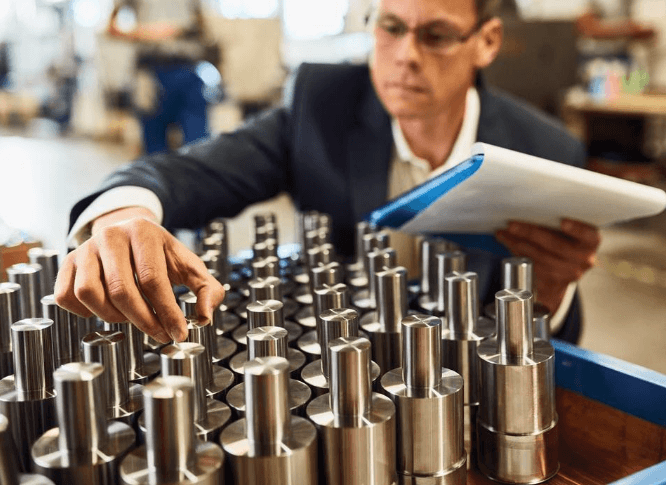
Consistent quality is essential for manufacturers that want to build customer trust, reduce waste, and maintain efficient production. In industries where materials are produced continuously, quality problems can become expensive if they are discovered only after a large quantity has already been completed.
Modern production environments therefore require quality-control processes that can keep pace with manufacturing operations. Automated monitoring can provide continuous information about production and help teams identify potential issues before they become larger problems.
A well-designed approach combines inspection technology, clear quality standards, skilled operators, and reliable production procedures. Together, these elements can create a more effective system for maintaining consistent output.
Understanding Modern Quality Control
Quality control is not limited to checking finished products.
In a modern manufacturing environment, it can involve monitoring production conditions, identifying defects, reviewing inspection results, and improving processes over time.
Traditional approaches may depend on manual inspections and periodic sampling. While these methods can still be useful, they may not provide continuous visibility into high-speed production.
Automated inspection can complement these methods by monitoring material as it moves through the manufacturing process.
Why Continuous Monitoring Matters
Production problems can appear at any point during a manufacturing run.
For example, a machine component may begin behaving differently, a material may change, or production conditions may shift. If the issue develops between manual inspection points, defective material may continue to be produced.
Continuous monitoring provides an opportunity to identify changes closer to the time they occur.
This can allow operators to investigate potential problems before they affect a larger quantity of production.
The Role of Automated Inspection
Automated inspection uses cameras and software to observe products or materials and identify potential differences.
In printing and web-processing environments, cameras can capture images while material moves through the production line. Software then analyzes those images according to configured inspection criteria.
When a potential problem is detected, an alert can provide information to the operator.
This approach can make quality control more consistent because the inspection process does not depend entirely on an individual maintaining continuous visual attention.
Common Quality Issues
Manufacturing processes can experience many types of defects.
In printing environments, these may include:
- Missing print
- Spots
- Streaks
- Smudges
- Registration differences
- Unwanted marks
- Color variations
- Surface imperfections
The types of defects that matter most depend on the product and its quality requirements.
A successful inspection strategy should therefore focus on the problems that could have the greatest impact on the finished product.
Creating Clear Quality Standards
Before implementing an automated inspection process, manufacturers should define what acceptable production looks like.
A reference image, approved sample, or predefined quality criteria can provide a basis for comparison.
Clear standards help inspection software determine which differences should trigger an alert.
However, inspection settings need to be carefully configured. If the system is too sensitive, operators may receive unnecessary alerts. If the settings are too relaxed, important defects may not be identified.
The objective is to establish practical inspection criteria that reflect real production requirements.
Reducing the Risk of Missed Problems
One of the main advantages of automated inspection is greater inspection coverage.
Manual checks may examine selected samples, while automated systems can monitor production continuously.
This does not guarantee that every possible defect will be detected. Inspection performance depends on factors such as imaging quality, lighting, software configuration, material characteristics, and defect size.
Nevertheless, appropriate automation can provide an additional layer of protection against defects passing unnoticed.
Reducing Waste and Rework
Quality problems can create significant waste when they are discovered late.
If defective material continues through production, manufacturers may need to rework, sort, or discard a larger quantity.
Earlier detection gives production teams more opportunity to respond.
By identifying potential issues closer to their point of occurrence, automated inspection can support waste-reduction efforts and help manufacturers use materials more efficiently.
Improving Production Efficiency
Quality and efficiency are closely connected.
When defects are discovered only after production is completed, teams may need to spend additional time reviewing finished material or investigating what happened.
Continuous monitoring can provide earlier information, allowing operators to focus on relevant problems as they develop.
This can support a more responsive production environment and reduce unnecessary quality-control delays.
Using Inspection Information for Process Improvement
Inspection results can become valuable sources of information.
When production teams collect defect information over time, they can look for recurring patterns.
For example, if the same type of defect appears repeatedly, the team may investigate machine settings, maintenance requirements, material handling, or other production conditions.
This creates a continuous improvement cycle:
Detect → Investigate → Correct → Monitor → Improve
Rather than treating each defect as an isolated event, manufacturers can use inspection information to understand broader process issues.
Combining Automation With Human Expertise
Automated technology does not remove the need for experienced personnel.
An inspection system can identify a potential problem, but an operator may still need to determine its cause and decide what action should be taken.
Human expertise is particularly important when evaluating unusual situations or determining whether a variation is acceptable for a specific product.
Automation can therefore be viewed as a support tool that handles repetitive monitoring while people focus on analysis and decision-making.
See also: The AI Shift in UK Higher Education: Balancing Tech and Academic Integrity in 2026
Selecting Appropriate Equipment
Manufacturers should evaluate their actual requirements before choosing inspection equipment.
Important considerations can include:
- Type of material
- Production speed
- Inspection width
- Expected defect types
- Required image detail
- Lighting conditions
- Camera placement
- Software capabilities
- Data requirements
- Integration with existing machinery
A system should be appropriate for the production environment rather than selected solely because it offers advanced features.
Manufacturers researching automated solutions can explore quality inspection systems when evaluating options for strengthening production quality control.
The Importance of Lighting
Lighting can significantly influence visual inspection.
Cameras need consistent illumination to capture reliable images. Reflections, shadows, glare, and other environmental changes can make it harder for software to distinguish genuine defects from normal visual variation.
For this reason, lighting should be considered during the initial inspection design.
The material surface, color, texture, and reflectivity should all be evaluated when developing an appropriate imaging environment.
Maintaining Inspection Reliability
Installing an inspection system is only one part of the quality-control process.
Equipment needs to remain properly maintained. Camera positions should be checked, lighting should remain stable, and software settings should be reviewed when production conditions change.
If a manufacturer introduces new materials or product designs, inspection parameters may need to be updated.
Regular maintenance and calibration can help ensure that inspection continues to provide useful information.
Training Operators
Operators play an important role in the success of automated quality control.
They should understand how the inspection system works, how alerts are presented, and what steps should be taken when a potential defect is detected.
Training can also help reduce unnecessary production interruptions. When operators understand inspection criteria, they can evaluate alerts more effectively and respond according to established procedures.
Applying Quality Control Across Production
Quality inspection can be valuable at different stages of manufacturing.
Depending on the production process, monitoring may take place during printing, surface processing, rewinding, or other stages.
The most appropriate inspection points depend on where defects are likely to develop and when detecting them would provide the greatest benefit.
A broader quality strategy can therefore combine multiple inspection stages when necessary.
Preparing for Long-Term Improvement
Manufacturers should view quality control as an ongoing process.
Production conditions change, customer requirements evolve, and new products may introduce different inspection challenges.
Regularly reviewing inspection results can help manufacturers identify opportunities for improvement.
By combining reliable inspection technology with process analysis and operator expertise, businesses can develop a quality-control system that becomes stronger over time.
Frequently Asked Questions
1. What are automated quality inspection systems used for?
They are used to monitor products or materials and identify potential defects according to defined quality requirements. In printing environments, they can help detect visual inconsistencies during production.
2. Can automated inspection reduce manufacturing waste?
It can support waste reduction by providing earlier information about potential defects. Detecting a problem sooner may allow operators to correct the cause before a larger quantity of material is affected.
3. Are human operators still necessary?
Yes. Automated inspection can perform continuous monitoring, but skilled personnel are still needed to interpret alerts, investigate causes, and make production decisions.
Conclusion
Strong quality control requires more than inspecting finished products. Modern manufacturers can benefit from monitoring production continuously and using inspection information to identify problems as early as possible.
Automated inspection can provide valuable visibility into production, support consistent output, reduce the risk of missed defects, and contribute to waste reduction. When combined with clear quality standards, suitable equipment, trained operators, and regular maintenance, it becomes an important part of a modern manufacturing strategy.
The ultimate goal is not simply to find defective material. It is to create a production process where problems are identified early, causes are investigated, and lessons from inspection data are used to improve quality over time.