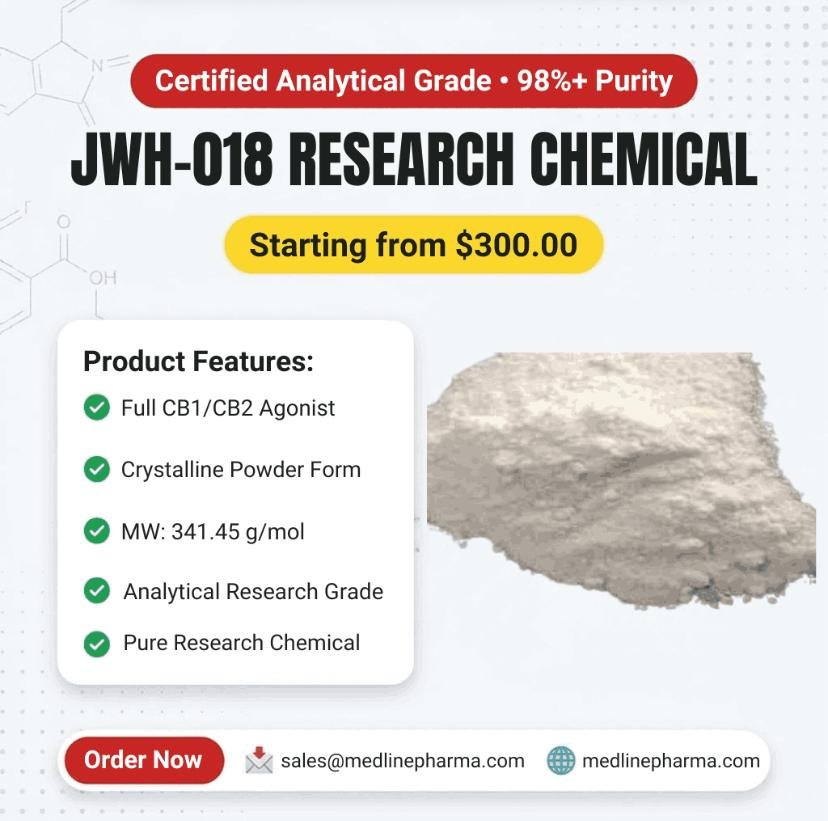
Online pharmaceutical websites often contain a wide range of product categories, and some require far more careful communication than others. Specialized listings can involve technical terminology, product classifications, storage information, and important usage limitations that may not be immediately clear to the average reader. For this reason, responsible pharmacy content should focus on transparency rather than persuasion. When visitors encounter categories such as research chemicals powders, they need accurate descriptions, clear boundaries and enough information to understand what they are viewing without relying on assumptions.
Clear Labeling Reduces Confusion
Specialized pharmaceutical categories can be difficult to interpret when terminology is vague or incomplete. Product names alone may not tell a visitor what a substance is, what restrictions apply, or whether it is intended for medical, laboratory, or other controlled purposes.
Clear labeling therefore matters. A responsible website should distinguish between general product information and medical advice. It should also avoid language that implies a product is automatically appropriate for personal use simply because it appears online.
Technical Information Should Stay Factual
Detailed product pages can be useful, but they need to stay within the limits of verified information. Descriptions should focus on relevant product characteristics, packaging details, storage guidance, and applicable warnings rather than exaggerated claims.
This is especially important in categories where readers may not fully understand the substances involved. Unsupported claims about safety, effectiveness, or suitability can create a misleading impression. Accurate content should help readers understand the product category while encouraging professional guidance when health-related decisions are involved.
Professional Support Adds Context
Website information can answer basic questions, but it cannot account for every individual situation. This is where pharmaceutical service providers can be important, particularly when customers need clarification about pharmacy procedures, product information, or appropriate support channels.
Professional assistance should complement online information rather than repeat promotional copy. Visitors benefit when they have a clear way to ask administrative or pharmacy-related questions and receive responses that are factual, appropriately cautious, and easy to understand.
Storage and Handling Information Matters
Some pharmaceutical and chemical products may require particular storage conditions to preserve stability or reduce unnecessary risk. Temperature, moisture, packaging integrity, and exposure can all matter depending on the substance.
For that reason, websites should provide handling information whenever it is relevant and verified. Customers should also follow any official instructions supplied with the product and seek professional guidance if packaging appears damaged or storage conditions are uncertain.
Website Content Should Avoid Assumptions
One of the biggest risks in health-related online content is assuming that a visitor already knows how a product should be interpreted or used. Technical categories may attract professionals, researchers, or general consumers, and those audiences can have very different levels of knowledge.
Content should therefore avoid making assumptions about the reader’s background. Plain explanations, careful terminology, and appropriate warnings can make the information easier to understand while reducing the chance of misinterpretation.
See also: The Ultimate Guide to Business Growth
Compliance Should Shape Communication
Pharmaceutical websites operate in areas where laws, professional standards, and product restrictions can vary. Even when a website serves an international audience, product information should not suggest that every item is suitable or legally available in every location.
Clear communication around eligibility, prescription requirements, regional restrictions, and professional oversight helps visitors understand that pharmaceutical access is not simply a matter of online availability. Responsible content should reflect those boundaries rather than trying to minimize them.
Educational Content Builds Better Understanding
A useful pharmacy website should do more than list products. Educational articles, service explanations, FAQs, and clearly written policies can help visitors understand how the site works and what responsibilities they have as customers.
This type of content is especially valuable in technical categories. It gives readers context before they make decisions and reduces dependence on short product descriptions. It also creates a better distinction between general information and advice that requires a qualified healthcare professional.
Conclusion
Specialized pharmaceutical categories need careful, transparent communication because unclear wording can easily lead to misunderstanding. Accurate descriptions, appropriate warnings, professional support, handling guidance, and realistic boundaries all contribute to better-informed decisions. When reviewing medlinepharma.com, readers should pay attention not only to the products listed but also to how clearly technical information, service procedures, and safety-related responsibilities are explained across the site.