If you are looking for a unique and vibrant travel destination, then you should definitely consider visiting Hanoi. This bustling city in Vietnam is a melting pot of history, culture, and modernity, offering visitors a truly immersive experience. From exploring the ancient temples and pagodas to strolling through the bustling markets and sampling the delicious street food, Hanoi has something for everyone. The city’s rich history can be seen in its architecture, with French colonial buildings standing next to traditional Vietnamese structures. Whether you are a history buff, a foodie, or simply looking for a new adventure, Hanoi’s diverse attractions are sure to captivate you.
Cathay Pacific provides a flight service from making it easier than ever to visit this enchanting city. With convenient flight options, travelers can easily book a trip to Hanoi and start exploring all that it has to offer. From the moment you step off the plane, you will be greeted with the sights, sounds, and smells of Hanoi, setting the stage for an unforgettable journey. So why not book a flight with Cathay Pacific from Tokyo To Hanoi and experience all the wonders this vibrant city has to offer? Whether you are looking to immerse yourself in history, indulge in delicious cuisine, or simply soak up the vibrant atmosphere, a trip to Hanoi is sure to be a memorable and enriching experience.
One Pillar Pagoda
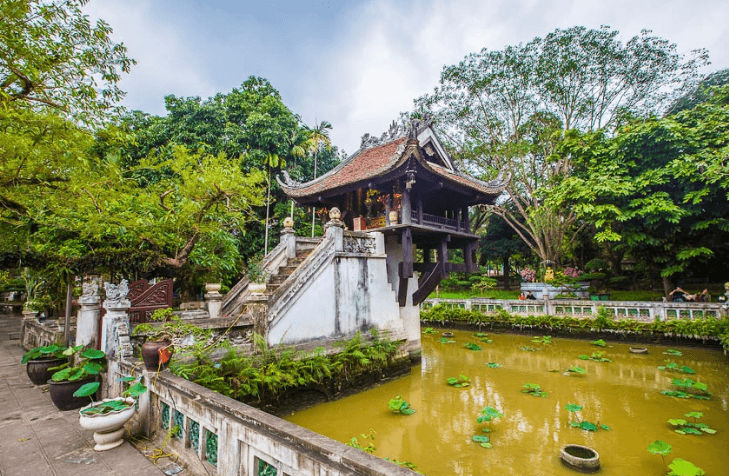
One Pillar Pagoda, also known as Chùa Một Cột in Vietnamese, is a historic Buddhist temple located in Hanoi, Vietnam. It is considered one of the most iconic and unique architectural structures in the country, with a rich history dating back to the 11th century.
The pagoda was built by Emperor Lý Thái Tông in 1049, who dreamed of the Goddess of Mercy handing him a baby while he was seated on a lotus flower. Believing this dream to be a prophetic vision, he decided to construct the pagoda in the shape of a lotus flower standing on a single pillar to represent his gratitude for this divine blessing.
The pagoda’s single pillar design is both impressive and symbolic. The pillar sits on a stone pedestal in the middle of a lotus pond, creating a serene and picturesque setting that has made the One Pillar Pagoda a popular tourist attraction and a symbol of Hanoi. The original structure was destroyed during the French colonial period, but it was rebuilt in 1955 to resemble the original design.
Today, visitors can explore the pagoda and its surrounding gardens, offering a tranquil escape from the hustle and bustle of the city. The pagoda is also a popular pilgrimage site for Buddhists, who come to pay their respects and seek blessings from the Goddess of Mercy. Its unique design and rich history make the One Pillar Pagoda a must-visit destination for anyone traveling to Hanoi.
In conclusion, the One Pillar Pagoda is a cultural and architectural gem that showcases Vietnam’s rich heritage and religious traditions. Its striking design, historical significance, and peaceful atmosphere make it a must-see attraction for tourists and pilgrims alike. Whether you are interested in history, architecture, or simply looking for a peaceful retreat in the heart of Hanoi, the One Pillar Pagoda is sure to leave a lasting impression.
Hoa Lo Prison
Hoa Lo Prison, also known as the “”Hanoi Hilton””, is a historical site in Hanoi, Vietnam that holds a dark past but also serves as a reminder of Vietnam’s struggle for independence. The prison was originally built by the French colonialists in the late 1800s to house political prisoners during their occupation of Vietnam. However, it is most well-known for its use during the Vietnam War, where American prisoners of war were held captive.
One of the highlights of visiting Hoa Lo Prison is seeing the stark contrast between the conditions experienced by Vietnamese political prisoners and American prisoners of war. The Vietnamese prisoners were subjected to horrendous living conditions, overcrowding, and severe torture methods. On the other hand, the American prisoners received better treatment, with access to better living conditions and amenities, which has led to some controversy and debate over the portrayal of their time in captivity.
Another highlight of Hoa Lo Prison is the opportunity to see firsthand the artifacts and exhibits that showcase the suffering and resilience of the Vietnamese people who were imprisoned there. The prison has been turned into a museum that displays the history of the prison, including photographs, documents, and personal belongings of the prisoners. Visitors can gain insight into the struggles faced by those who fought for Vietnam’s independence and learn about the atrocities committed during the war.
One of the most poignant highlights of Hoa Lo Prison is the chance to walk in the footsteps of history and reflect on the human cost of war. The chilling atmosphere of the prison, combined with the stories of those who were imprisoned there, serves as a powerful reminder of the horrors of armed conflict and the importance of striving for peace and reconciliation. Visiting Hoa Lo Prison is a sobering experience that offers a glimpse into the complex history of Vietnam and the sacrifices made by those who fought for freedom.
See also: The Ultimate Guide to Business Growth
Ho Chi Minh Mausoleum
The Ho Chi Minh Mausoleum is a prominent historical landmark located in Ba Dinh Square, Hanoi, Vietnam. It serves as the final resting place of Vietnam’s revolutionary leader, Ho Chi Minh, who played a crucial role in Vietnam’s struggle for independence and unification. The mausoleum is a symbol of the respect and admiration that the Vietnamese people have for Ho Chi Minh.
The imposing structure was constructed from materials gathered from all over Vietnam, and its design reflects the architectural style of traditional Vietnamese stilt houses. The mausoleum is made entirely of granite and features a large portico leading to the central hall, where Ho Chi Minh’s embalmed body lies in state. Visitors from all over the world come to pay their respects and learn more about the life and legacy of this revered figure.
The mausoleum is surrounded by a tranquil park with lush greenery and beautiful gardens, providing a peaceful setting for reflection and contemplation. In addition to viewing Ho Chi Minh’s preserved body, visitors can also explore the nearby Ho Chi Minh Museum, which showcases artifacts, documents, and photographs related to his life and work.
While the mausoleum is a popular tourist attraction, it is also a place of great reverence and significance for the Vietnamese people. It serves as a constant reminder of the sacrifices made by Ho Chi Minh and others in the fight for independence and self-determination. The Ho Chi Minh Mausoleum stands as a testament to the enduring legacy of one of Vietnam’s most influential leaders and continues to inspire people around the world with its message of unity, resilience, and freedom.