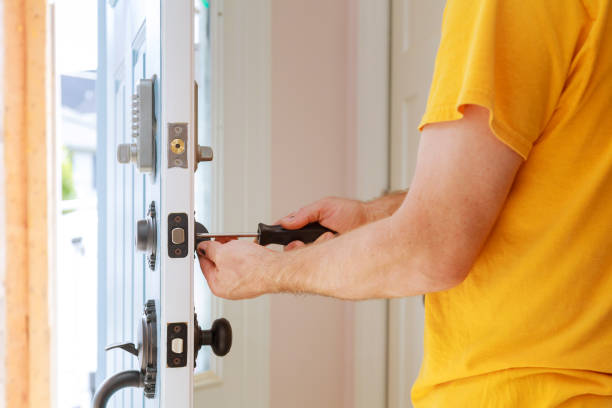
A secure door is one of the most important parts of a safe home or business. Doors are often the primary entry points into a property, which means their locks, frames, hinges, and security hardware all play an important role in preventing unauthorized access. Installing the right door security system can improve protection, provide greater peace of mind, and help reduce the risk of break-ins.
Door security is not limited to installing a stronger lock. A properly secured entrance involves several components working together, including the door itself, the frame, locking mechanisms, hinges, strike plates, access-control devices, and sometimes electronic security technology. This complete guide explains the main aspects of door security installation and what property owners should consider when improving their entrances.
Understanding Door Security
Door security refers to the combination of physical and electronic measures used to protect an entrance from unauthorized access. The appropriate solution depends on the type of property, the door material, the location of the entrance, and the level of security required.
For a typical residential property, security may involve a high-quality deadbolt, reinforced strike plate, sturdy door frame, secure hinges, and a peephole or video doorbell. Commercial properties may require more advanced solutions, such as electronic access control, keypad locks, card readers, security doors, or monitored entry systems.
The goal is not simply to make a door difficult to open. A good security installation should balance protection, convenience, durability, and appropriate access for authorized users.
Choosing the Right Door
Before installing locks or other security equipment, it is important to evaluate the door itself. A strong locking mechanism cannot provide maximum protection if the door or frame is weak.
Solid-core wood, metal, and reinforced composite doors can provide different levels of durability depending on their construction. Hollow or lightweight doors may require additional reinforcement before certain security devices can be installed.
The condition of the door should also be considered. Cracks, warping, loose panels, or damaged edges can reduce security and may interfere with the operation of locks.
For exterior entrances, weather exposure is another consideration. Security hardware should be suitable for the environment so that moisture, temperature changes, or corrosion do not affect its performance.
Selecting a Suitable Lock
The lock is one of the most important components of a door security system. Different locks offer different levels of convenience and protection.
Deadbolts are commonly used on residential exterior doors because they provide a stronger locking mechanism than many basic spring-latch locks. Single-cylinder deadbolts are operated with a key from the outside and a thumb turn from the inside, while double-cylinder designs require a key on both sides.
Smart locks provide another option. Depending on the model, they may allow users to unlock doors through a keypad, smartphone application, biometric feature, or other electronic method. Some can also provide access logs or temporary codes.
When choosing a lock, homeowners should consider durability, compatibility with the existing door, ease of use, emergency access, battery requirements for electronic models, and the overall security needs of the property.
Reinforcing the Door Frame
The door itself is only one part of the entrance. The frame and the area surrounding the lock can be equally important.
A weak strike plate or poorly secured frame may allow an intruder to damage the area around the lock rather than defeating the lock itself. Reinforcing the strike area can help distribute force more effectively.
Longer, appropriate fasteners can sometimes provide better attachment to the structural framing behind the door frame. However, the exact installation method depends on the construction of the property and the door system.
Professional installation can be particularly useful when reinforcement requires modification of an existing frame or when the installer needs to determine where structural support is located.
Securing Door Hinges
Hinges are another important part of door security. Doors that open inward generally have hinges positioned on the interior side, while some configurations may expose hinge hardware externally.
If hinges are accessible from outside, additional security measures may be appropriate depending on the door design. Options can include security hinges or other hardware designed to prevent unauthorized removal of the door.
It is important not to compromise the door’s normal movement when adding security hardware. Hinges must remain properly aligned and capable of supporting the weight of the door.
Installing a High-Quality Strike Plate
A strike plate is the metal component attached to the door frame that receives the lock bolt or latch. Although it is a relatively small component, it plays an important role in securing the door.
A durable strike plate that is correctly installed can help strengthen the locking point. The plate should be properly aligned with the lock so that the bolt extends fully into the intended opening.
A professional installer can check the condition of the frame and determine whether additional reinforcement is appropriate.
See also: The Ultimate Guide to Business Growth
Smart Locks and Electronic Security
Technology has significantly expanded the options available for door security. Smart locks can provide convenient access without requiring a traditional key.
Depending on the system, homeowners may be able to create individual access codes for family members, guests, or service providers. Some systems allow temporary codes to be issued and later removed.
Electronic access control is particularly useful for businesses, offices, rental properties, and other locations where different people need different levels of access.
However, electronic systems introduce additional considerations. Battery-powered locks require regular battery maintenance, while connected systems depend on their specific technology and configuration. A backup entry method can be important in case of battery failure or technical problems.
Keypad and Keyless Entry Systems
Keypad locks can be useful for people who want to avoid carrying physical keys. Users enter a programmed code to unlock the door.
For better security, access codes should not be shared unnecessarily. Codes that are easy to guess, such as simple sequences or personally obvious numbers, should be avoided.
For properties with multiple occupants, individual codes can make it easier to control access. Some advanced systems can record entry events, providing useful information about when authorized users accessed the property.
Access Control for Commercial Properties
Businesses often require more sophisticated door security than residential properties. A commercial access-control system can regulate who is permitted to enter particular areas.
Card readers, key fobs, PIN-based systems, mobile credentials, and biometric technologies are examples of access-control methods used in different environments.
Businesses may also divide their property into access zones. For example, employees might have access to general office areas while only authorized personnel can enter storage rooms, server rooms, or other restricted areas.
When installing commercial access control, businesses should consider emergency exits, fire-safety requirements, accessibility, employee access, visitor management, and applicable regulations.
Door Viewers and Video Doorbells
Physical locks are not the only tools available for improving entrance security. Door viewers and video doorbells can help occupants identify visitors before opening the door.
Traditional peepholes provide a simple way to see who is outside. Video doorbells can offer additional functionality, such as motion detection, video recording, two-way communication, and smartphone notifications, depending on the model.
These devices can be especially useful for monitoring deliveries and unexpected visitors. However, their placement and use should respect applicable privacy requirements and the rights of neighbors or other individuals.
Security Doors and Additional Barriers
Some properties may benefit from installing a security door in addition to the main entrance. Security doors can provide an additional physical barrier and may be particularly useful for certain commercial, industrial, or high-traffic environments.
Other options include reinforced door panels, protective grilles, and controlled-entry vestibules. The appropriate solution depends on the property’s security requirements and architectural design.
Adding multiple layers of security can make unauthorized entry more difficult while still allowing legitimate users to access the property conveniently.
The Importance of Professional Installation
Some door-security products are designed for straightforward installation, but professional assistance may be beneficial for more complex systems.
An experienced installer can assess the door, frame, hinges, locking points, and surrounding structure before recommending a solution. Correct installation also helps ensure that locks operate smoothly and security components function as intended.
Improperly installed hardware may create alignment problems, reduce the effectiveness of the lock, or cause premature wear. Electronic systems may also require configuration, testing, and integration with other security equipment.
For commercial properties, professional installation can be particularly important because access-control systems may need to work alongside alarms, surveillance equipment, emergency exits, and other building systems.
Maintaining Door Security
Installation is only the beginning of effective door security. Locks and hardware should be inspected periodically to make sure they remain in good condition.
Homeowners should pay attention to loose screws, unusual movement, difficulty turning keys, sticking doors, damaged frames, or electronic locks that show signs of low battery power.
Lubrication may be appropriate for certain mechanical components, but the correct product and maintenance method depend on the lock manufacturer’s recommendations.
Electronic locks should have their batteries replaced according to manufacturer guidance. Backup keys, emergency access methods, or alternative entry procedures should also be kept available where appropriate.
Common Door Security Mistakes
One common mistake is relying on a single security feature. A strong lock cannot fully compensate for a weak door or damaged frame.
Another mistake is failing to maintain security equipment. Even a high-quality lock may become less reliable if it is damaged, incorrectly aligned, or neglected.
Leaving spare keys in obvious outdoor locations is another avoidable risk. If physical spare keys are necessary, they should be stored securely or managed through a controlled access system.
Property owners should also avoid installing security equipment without considering emergency egress. Security measures must not prevent occupants from safely leaving a building during an emergency.
How to Plan a Door Security Upgrade
A practical security upgrade can begin with an inspection of every exterior entrance. Identify which doors are used regularly, which entrances are less visible, and whether any doors have damaged or outdated hardware.
Next, evaluate the condition of the doors and frames. Determine whether the property requires basic mechanical improvements, smart-lock technology, access control, monitoring equipment, or a combination of solutions.
Budget should also be considered. Security does not always require the most expensive technology. In many cases, improving the door frame, installing suitable locks, and maintaining existing hardware can make a meaningful difference.
For larger or more complicated properties, consulting a qualified security professional can help develop a coordinated approach.
Conclusion
Effective door security is built from multiple components rather than a single lock. A strong door, reinforced frame, suitable locking mechanism, secure hinges, quality strike plate, and appropriate access-control technology can work together to create a more secure entrance.
Homeowners and businesses should assess their individual security needs before choosing equipment. While basic hardware may be suitable for some entrances, commercial buildings or higher-security locations may require professionally designed access-control systems.
Regular maintenance is equally important. Checking locks, frames, hinges, batteries, and electronic systems can help ensure that security equipment continues to work properly.
Ultimately, professional door security installation is an investment in the protection of people and property. By combining suitable hardware, thoughtful installation, responsible access management, and regular maintenance, property owners can create entrances that are safer, more reliable, and better suited to their security requirements.